Business Titans
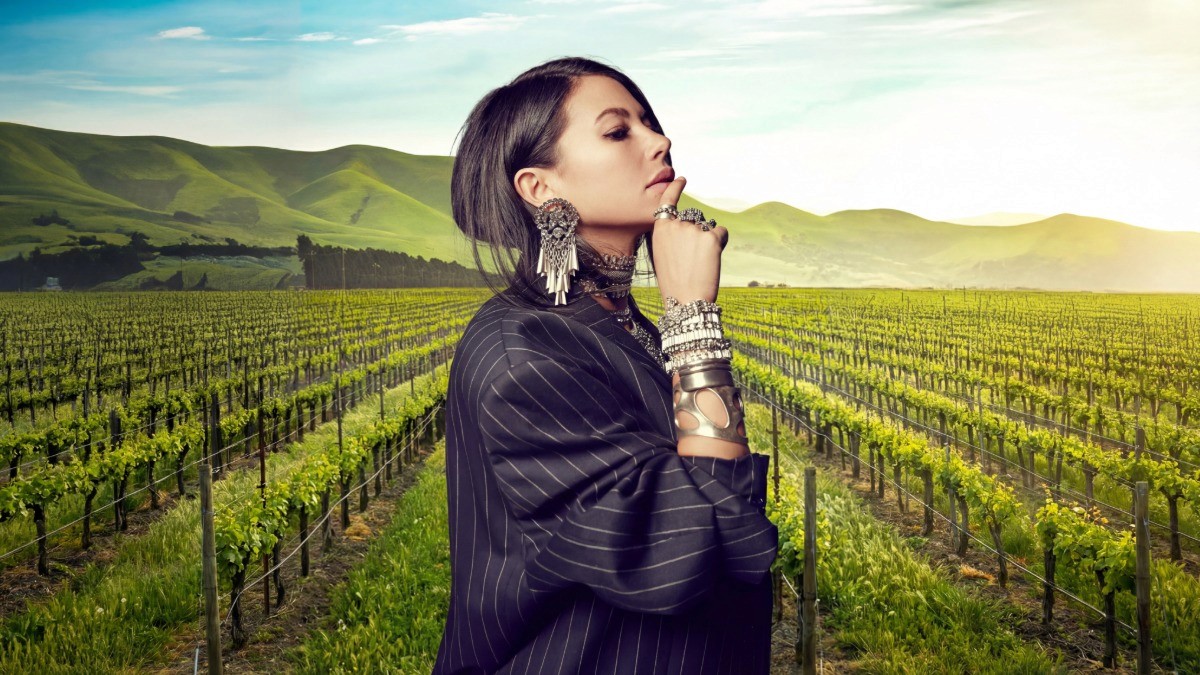
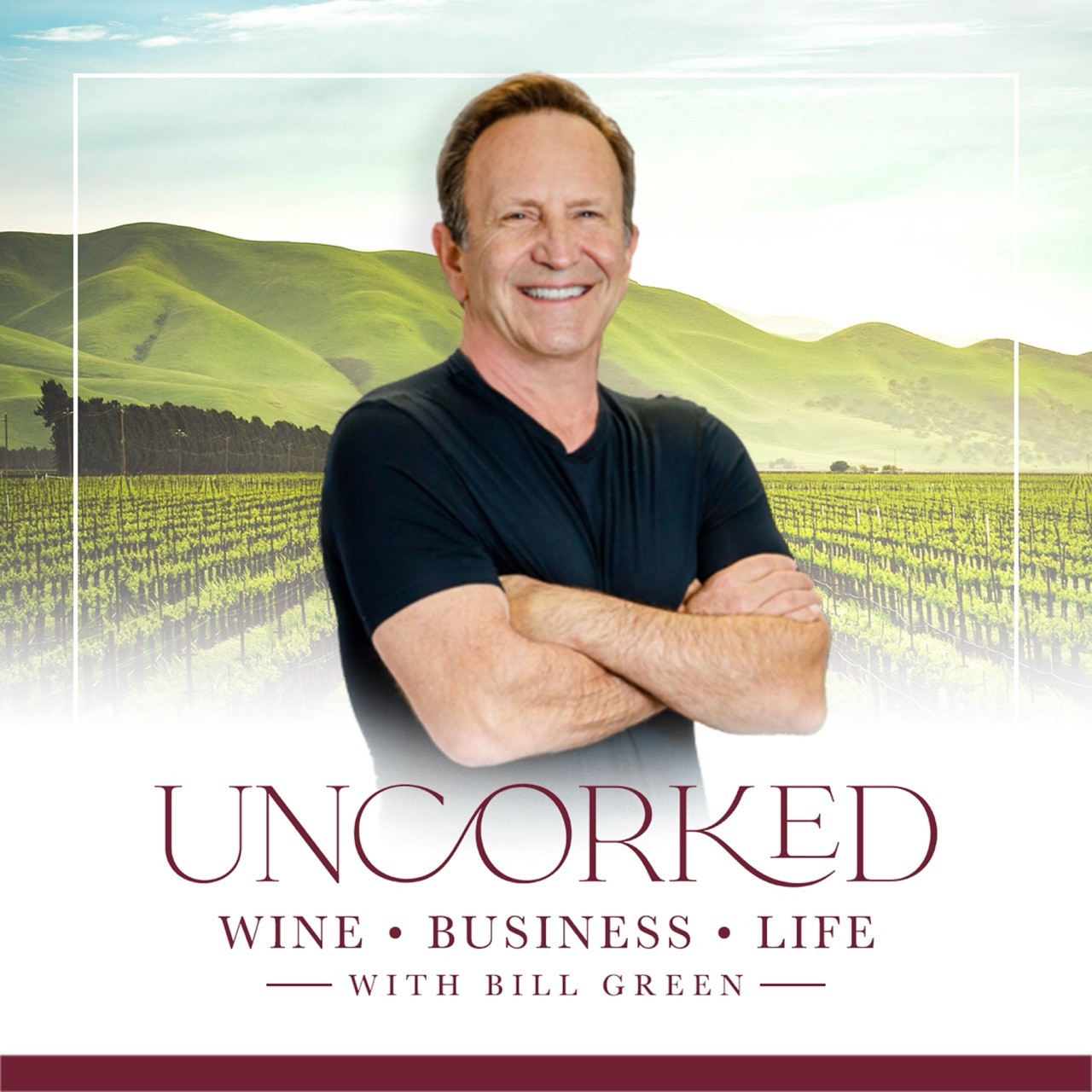
In this episode of Uncorked: Wine, Business & Life, Bill Green and Jerrold Colton sit down with Drew Ginsburg, Founder & Creative Director of the globally recognized jewelry brand DYLANLEX. From sketching fashion concepts to creating statement pieces worn by icons like Beyoncé, Rihanna, and Usher, Drew shares her journey of blending artistic vision with business savvy. She discusses her early days at Urban Outfitters, how Instagram catapulted her brand into the spotlight, and the challenges of staying authentic in a fast-changing fashion landscape. Drew opens up about her creative process, building a loyal clientele, and why trusting your gut is the ultimate entrepreneurial superpower.
Introduction to Drew Ginsburg
Welcome to Uncorked: Wine, Business, and Life with Bill Green. I’m your co-host, Jerrold Colton. We are at the beautiful Saddlehill in Voorhees, New Jersey, right across the street from Cherry Hill. We have the saddle right there. Bill, since you and I first started talking about doing Uncorked together, you told me from the start how excited you were to have today’s guest on. You’ve known her since she was a young girl, and she’s matured and grown into an incredibly successful businesswoman.
I’d like to introduce Drew Ginsburg, who is the CEO of Dylan Lex. This is incredibly special for me because I’ve known Drew since she was ten or eleven years old. I can still see her sitting with my daughter, Allison, at the dining room table, doodling around. Even then, when people asked what they were drawing, she had a professional look. To watch you through the years—now a couple of decades—transition into a successful entrepreneur, I just can't be prouder. Plus, I’ve known your dad for practically three decades; he’s one of my closest friends. It’s just great to have you on the show.
Your story is very exciting. I find the artistic talent so interesting because you have to join it with business, and those don't necessarily always go together. I want to take you back to your childhood in Cherry Hill. Bill mentioned you used to doodle; I don’t know at what point you realized you actually had artistic talent, but you clearly did.
Educational Foundations at Drexel University
I knew it out the gate. My parents were trying to navigate my future and what that meant as a creative child. You can get stressed out because it feels limiting; the success rate of being a creative is so small. They were always enforcing me to think practically and figure out what job I wanted to have. That was always top of mind for me, even while I was doing what came naturally.
When it came time to pursue education, I knew I needed to go to an art school because that’s what I excelled at. But I also wanted to make sure I could get a job when I graduated. I heard horror stories about art schools where it was just critique after critique and really cutthroat. I wanted a program that gave me a well-rounded education so I could see the different pockets of being a creative and then select from there.
I found the Drexel fashion design program, which was amazing because they had co-op and study abroad. It’s a very hard fashion program to get into—really competitive—so it says a lot for your creativity. It was tough, but incredible. We have to give a plug to Drexel; my son went there, and the co-op aspect and the practical part of the education are so good.
As an entrepreneur, you don't follow the script or the rules. You make your own rules. A lot of artists don't necessarily combine the two, so Drexel served you very well. They really give you a lot of opportunity.
Gaining Experience at Urban Outfitters
I had my final fashion design project at Urban Outfitters. When we had the show there, Dick, who runs Urban, or someone on his team was there, and they recruited me right out of college. I remember your dad telling me, "Drew’s in Japan" or "Drew’s here." Shout out to Urban Outfitters; it’s an incredible company. They really throw you in and allow you to figure it out because it’s so fast-paced.
I had my final fashion design project at Urban Outfitters. When we had the show there, Dick, who runs Urban, or someone on his team was there, and they recruited me right out of college. I remember your dad telling me, "Drew’s in Japan" or "Drew’s here." Shout out to Urban Outfitters; it’s an incredible company. They really throw you in and allow you to figure it out because it’s so fast-paced.
I worked for Urban Outfitters, and we always joked that we were the workhorses because we had to hit a certain target margin. We had to design seventy pieces of one category and were really cranking out product for them. They sent me abroad a lot. We went to Tokyo to source and India for a lot of the manufacturing.
The Birth of Dylan Lex
That was where I fell in love with what I’m doing now: jewelry. At that point, I was designing dresses, rompers, sweaters, and jeans. I learned how to do everything from the sketch and proper CADs to turning it into a real sample. We did fittings, cost target margins—all of it. I learned how to do everything for developing a product from start to finish at Urban.
While you were an employee there getting a paycheck every week, were you having entrepreneurial aspirations? I think I knew it wouldn't last for me. When you're coming out of college, they sort of own you salary-wise. It was very low pay, and I was working very late nights. I was weighing the good and the bad. I was getting the most experience for my next job and my life, so I knew it would play out, but I also knew I wasn't going to be there forever.
My current brand happened organically. I wasn't planning for it; it just started to happen while I was working there. I realized this was an alternative thing I could do that was more meaningful to me because I wasn't just one of forty designers. I could really put my heart and soul into something. Initially, I could dream up anything and make it happen. I do pay attention to margin now, but initially, I could just dream.
Urban actually approached me way back when I started the brand to see if I wanted to do a collaboration with Free People. That brand has way more flexibility in their margins. Urban itself has smaller margins, so they wouldn't have been able to do Dylan Lex product there. I talked to them briefly, but I didn't want to give up the soul of what I do. That was really important for me as a designer. When you work for a big corporate company, some things get lost because you’re trying to hit a target. Because we’re direct-to-consumer, we don't have to play into anybody’s requests. Our clients either like it or they don't.
When I was working in India developing clothing, I saw so much incredible workmanship in the markets. It is passed down through generations—this beautiful way they hand-spin filigree and metal beading. I fell in love with it. I started to collect jewelry from there and would wear it, stringing it together with vintage pieces I found from the 1920s at flea markets in Pennsylvania.
The Influence of Instagram and Celebrity Endorsements
That was when people started asking for the jewelry on social media, around 2013 or 2014 when Instagram started. It was right place, right time. Originally, I downloaded Instagram for work because when we presented pieces, we had to have mood boards, and Instagram had cool filters. I would take photos of things when I was traveling and put them on my mood boards to present.
Then it became a platform where people were really liking the jewelry. Celebrities started joining the platform and asking me for pieces. They would just write a comment like, "I need this." They didn't even have DMs at that time. I met one of my very good friends, Monica Rose, on the platform; she styled Kendall Jenner, Gigi Hadid, and Sofia Richie.
If I joined now, I don't know that it would have been as impactful because it’s so oversaturated. But at the time, it was so fun because it was free marketing. It was an exciting time for creatives to get exposure. It beats knocking door-to-door to sell your stuff.
Direct-to-Consumer Growth and Local Manufacturing
The world changed in such a good way. During our first year here at Saddlehill, we spent no money on marketing. It was the drive-by traffic and the social media that built that demand. Talk about the growth of the business over the last ten or twelve years. What have been some of the major challenges and pivots?
Having a business is a challenge all the time because the world is constantly changing. In the beginning, it was just exciting that people were buying the product. Because it’s direct-to-consumer online, people in Europe and Australia could hop on and buy it. I didn't have to deal with sitting in front of a buyer and convincing someone to like something. I could just say, "This is what I made, this is how I’m wearing it," and people would buy it. That was beautiful.
Since we were direct-to-consumer, we didn't have to have deep inventory. I could order smaller units—twenty pieces of something—see if it sold out, and then reorder. We make everything in New York City, so the turnaround time was much quicker than if we were doing things overseas with three-month lead times.
There are parts of the world that do beautiful work for particular components, and I’m always trying to connect with those suppliers. But it's nice to have eyes on things. I can drive into New York City and see how the product is being made. This past week, I was boxing up production to send to our fulfillment center.
As far as pain points, it's just about making sure we’re staying relevant but authentic. A lot of our customers connect with the realness of our brand as opposed to a corporate fashion company. They want to feel that personal touch. We’re thinking about opening up wholesale in the last quarter of the year just to work on new partnership ideas. There’s a community base we were missing by being on our own little island that we want to nurture and grow. We've been doing pop-ups, which has been really fun.
During the pandemic, we had a lot of growth because the whole team was home and we could focus on our online business. Coming out of that, we are figuring out how to evolve. I’ve always been careful not to make too much product. I’d rather have smaller collections that are more thoughtful more times a year.
The Dylan Lex Philosophy: Empowerment through Jewelry
The jewelry says so much. It seems you can be more individualistic and express yourself in a different way than just clothes. I read a slogan of Dylan Lex: "Make a statement and don't conform." I love that as both a fashion statement and a life statement.
The team and I are always thinking about what the brand means. When we meet our clients, they have these incredible stories about how they weren't feeling their best and then found the brand and it made them feel powerful. I’m an introvert; I’m not the loudest person in the room, but when I wear my jewelry, it exudes something I don’t even need to say.
A Taste of Saddlehill Vineyard
If you give me that bracelet, I will feel like Hercules. I think it’s time for some breakfast wine. This one is really special to me. This is the 2024 Sauvignon Blanc. The 2023 Sauvignon Blanc was the first wine we made from our vineyard here on White Horse Road. It’s crispy, citrusy, and light.
That is really good for the morning. In your travels, do you sample wines all over the world? Honestly, not really. I was really young and I wasn't into drinking in my early 20s. That’s a 30s thing. In my 20s, I was very focused on work.
I remember you and Allison going into my liquor cabinet when you were sixteen. I’m sure it was vodka, not wine. We weren't pulling out wine and saying the port was incredible. We were looking for something we could mix with soda. I think it was Rachel London and Adam who were the ones in that cabinet.
The Reality of Being an Entrepreneur
You’re a girl from outside Philadelphia who ended up in the two mega-cities of the United States. How have you settled? That was a personal choice. I was working nonstop. It went from "People want my jewelry" to "I’m doing this business morning, noon, and night." I needed peace and separation. I moved to California just to have some fresh air and enjoy my life, and naturally moved the business out there as well.
I brought on my current business partner, Robin, who worked with me at Urban Outfitters. She was a buyer and I was a designer, so we had a really nice way of working together. I expanded based on my curiosity and need to move around.
There is a misconception among young people that being an entrepreneur means you make your own hours and work less. It’s such bullshit. Your mind doesn't sleep; you’re nonstop thinking of the next thing. Managing people is a whole other beast they don't teach at Drexel. Having your own business is hard work. Sometimes the idea of just being on someone else’s payroll sounds nice.
People have to understand that you give up a paycheck. I have a few folks who are entrepreneurial working at my company, and I’m trying to create entrepreneurial pods within the business so I don’t lose them. But it’s a challenge because the motivation to motivate an employee for your dream is really hard.
Our options within the company right now are client-based, where you can earn a commission. We also use affiliate marketing; customers who buy a lot of product and show it off can earn ten percent. It’s harder with wine shipping because we can't ship to every state, and we can't even ship to California right now.
Pricing and Market Accessibility
One of the things I love about your product line for an online business is that you have a very small, light package that is very expensive. You can afford to FedEx that stuff. It’s a lot lighter than a case of wine, and you don't have to worry about temperature or breakage. We’ve tried FedEx and DHL, but we trust UPS the most.
Looking through your catalog, I thought the pieces were relatively inexpensive compared to what they look like. That is a conversation we have all the time. It was important for me to come in at an accessible price point. Not doing wholesale allowed us to do that in the beginning.
Now that we’re growing, we have more overhead, so our prices have gone up for certain pieces. But we aren't chasing trends. We believe in having essentials—jewelry that costs a couple hundred dollars and has forever repairs. You can treat it like fine jewelry and pass it down, but it remains accessible.
The Artistic Series and Fine Bordeaux
The next wine we are going to try is the 2022 Vintner's Reserve. I named it after myself; it’s a Bordeaux blend. It’s got a great sixty-dollar price point. Have you ever visited the Bordeaux region in France? Not yet, but I will soon.
This is really good. It has a dry taste when you first sip it. It’s Cabernet Sauvignon, Cabernet Franc, Malbec, Merlot, and a little bit of Petit Verdot. That first wine we drank was the Sauvignon Blanc, and we also have the Rosé. We call that our Artistic Series. It’s a retail line that pops off the shelf.
Since Drew likes Bordeaux wines, we’re going to go from the Vintner's Reserve right to the 1999 Lafite Rothschild. This is a Jersey wine we just had, and it is honestly so impressive. The snobs in LA or Napa would be shocked. I’m going to Napa in early September to teach those guys a few things.
The 1999 Lafite Rothschild is special. It’s the same kind of blend, but it’s a lot older and you can taste the earthiness of the soil. In Bordeaux, the land is flatter compared to the hillsides in the US. We get more ripeness from the water coming down the hill, which gives us more fruit-forward wine. With this, you’re tasting the maturity.
I love the fruitiness, but this wine is about forty times the price. I'll take the Saddlehill. It’ll be nice when Saddlehill can get a thousand bucks for a bottle of wine, but give it time. That one will age well.
Future Expansion and the Creative Process
The accessibility to find true creatives on the internet is beautiful. There are so many badass women now, and it’s great to see someone in your situation. Do you feel empowered and a sense of responsibility with that?
It’s encouraging. In the hard times, that thought is what keeps me going. I’m trying to be smart and not just sell out. I want to do everything very intentionally with the brand because our clients really connect with it.
Bill, you and your wife, Amy, have raised three great kids and now have grandchildren. You’re always biting off new adventures like Saddlehill. How do you balance personal life with business when you're all in?
You really can't. Dylan Lex is my child, and I wouldn't change it, but it’s really hard to be intentional with time because you’re constantly thinking of work. I’ve been at the same crap for almost fifty years, and my lifestyle has been my businesses. As much as I try to separate myself and be with my family, my head is often still in the business.
I’m jealous of your dad traveling the world and having a great time. I don’t know if I could ever do that. What’s next for the brand? Right now it is jewelry, but we’ve done some novelty styling pieces. We have basic essential clothing items, but I want to be intentional. We are working on partnering with other clothing designers so we have less waste. We’re also thinking of interiors and sunglasses.
Tell us about what you’re wearing today. I’m wearing this snakehead cuff; it’s the year of the snake. This is actually a vintage piece, and these rings are Dylan Lex. One says "Handle It"—we have a lot of cheeky little notes. My necklaces include a choker that says "ABCDEFU," which is the alphabet for Dylan Lex. It’s like a neck mass.
We manufacture in New York with the same person I’ve worked with since the beginning. We push each other; he likes to say no to me, and I like to force him to make complicated things. It starts with a sketch, then a mold, and then another sketch. Everything gets completed in the city using 3D printing sometimes.
This ring was 3D printed, which is wild. But I like when it looks handmade. Often, when they 3D print, I ask them to make it look irregular or misshapen so it has texture. Or I’ll have my guy hand-hammer it after the printing.
Advice for Aspiring Creatives
If an eighteen-year-old Drew Ginsburg came up to you now, what recommendations would you have? Trust yourself more. Trust your gut. I was so unsure and had a lot of imposter syndrome. I wish I had just gone with whatever was in my mind for me.
We employ AI in our businesses, but you wouldn't necessarily think of it as being creative. Are you using it? We use it more for taglines—to simplify what we’re saying. But as far as design, not really. I enjoy that part of it too much. I enjoy the process of waking up and dealing with the fires in the company. I don't want AI to take that away.
I want the feel, the touch, and the experience of thinking creatively. I remember in 1999 when people said, "You’re going on the internet instead of the library?" I love the smell of the library, but the world changes.
Failure is allowing fear to consume you so that you don't act. There have been times when I was really burnt out and refused to design new things for a full year. My goal is to grow this to be a full brand in a way that’s relevant to the time, not an antiquated version of what a brand is. I want to evolve while keeping the authenticity and the spirit of Dylan Lex.
If it ain't broken, fix it anyway, because someone is going to come for you. We’ve had crazy knockoffs, from Alibaba to Ralph Lauren runway shows. For a while, I would try to show side-by-sides and send them to a lawyer, but then I realized I was wasting time. It’s flattering; even major brands like Chanel get knocked off. You just have to keep moving.
Your story is so inspirational. "Make a statement and don't conform" sums up your life and your business approach. If someone had told me thirty years ago that I’d be sitting here doing a podcast with little Drew Ginsburg, I would have been so moved. Seeing the little girl who was doodling in my kitchen become this incredible young lady makes me so proud.
Drew, thank you so much for being on Uncorked. All the best. Thank you for watching and listening; we will see you next time.